
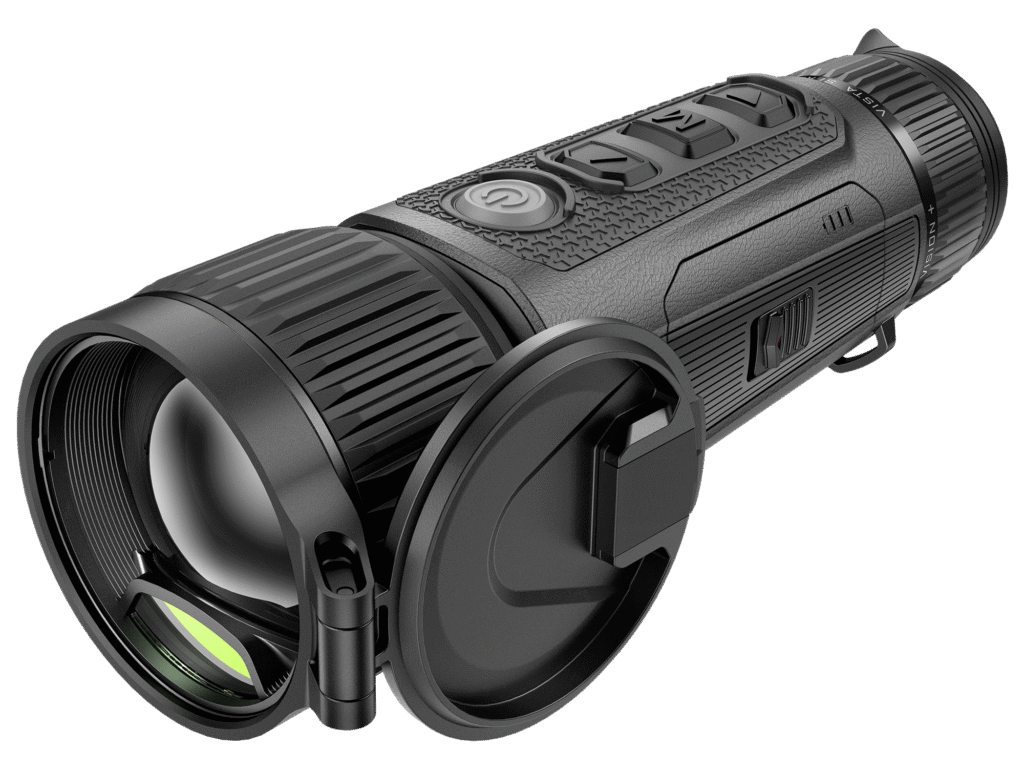
NocPix Vista S50R
Thermal Camera Hire
Thermal
Rates
£180/day
£180/weekend
£540/week
All prices ex VAT
Shipping
£38 (pre 12pm)
£48 (pre 9am)
Includes return
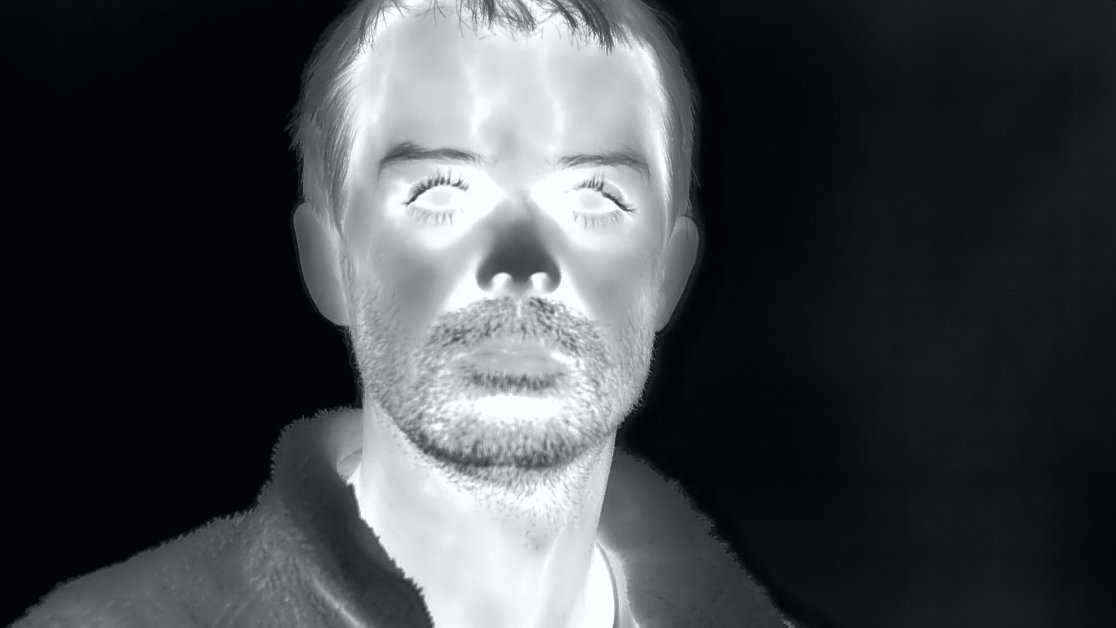
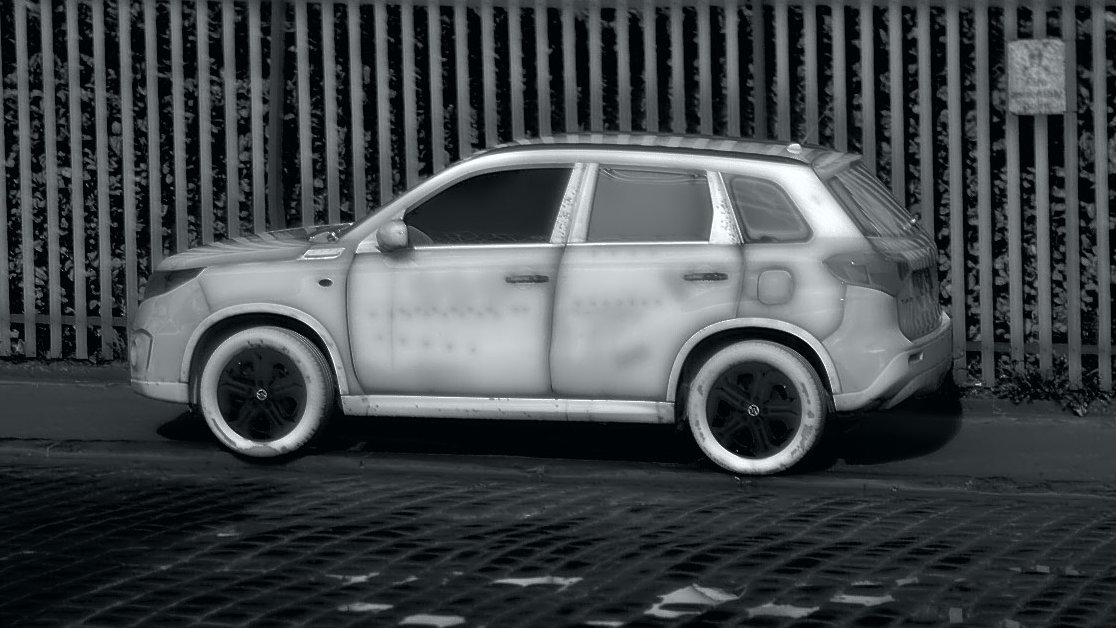
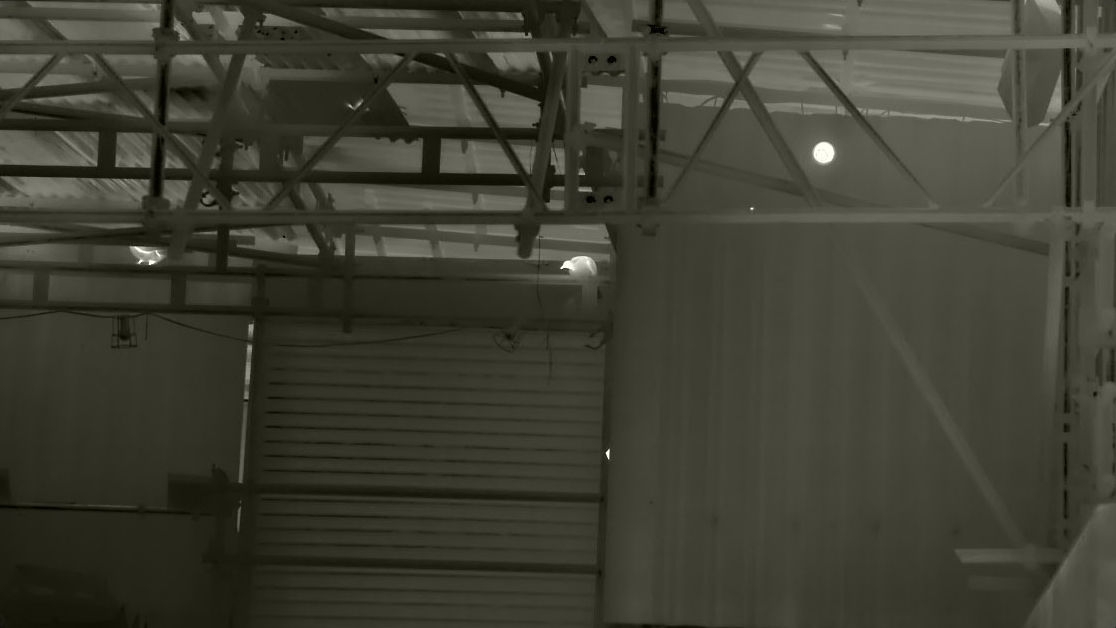
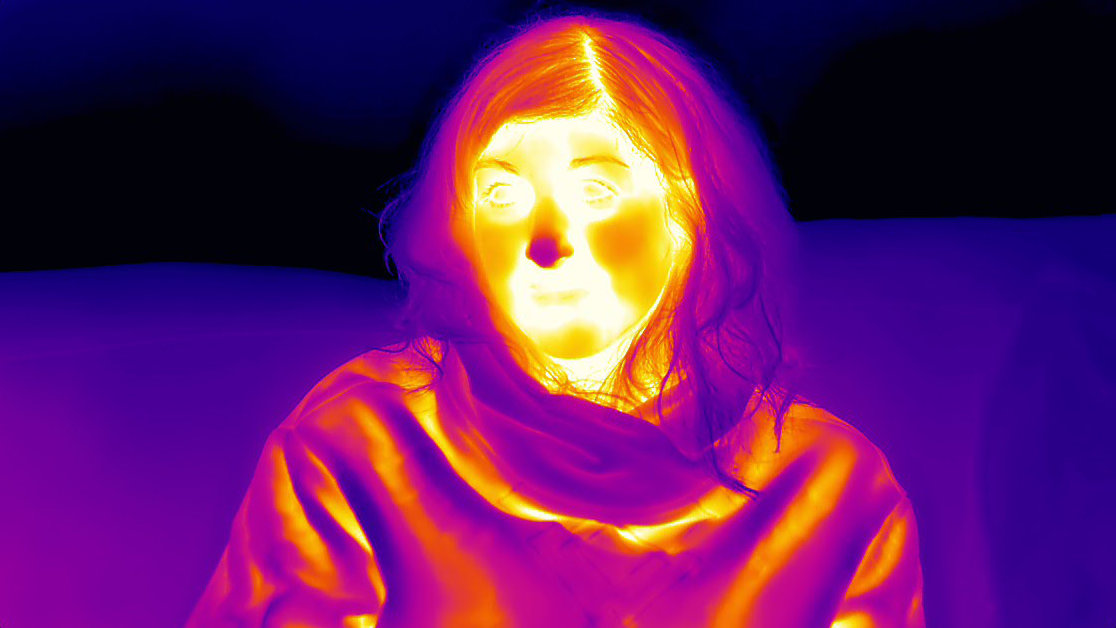
With a resolution of 1280×1024, the NoxPix Vista S50R is the highest resolution thermal camera commercially available.
It features best in class thermal sensitivity, integrated laser rangefinder and electronic image stabilisation.
With thermal imaging not limited to just wildlife and documentaries, our cameras have been utilised for plenty of inventive and alternative uses including music videos, experimental film and even searching for a lost dog!
What will you use your thermal imaging camera hire for?
- 1280x1024 resolution*
- 12µm pixel pitch
- NETD ≤15mK (thermal sensitivity - lower is better)
- 50mm f/0.9 lens
- Equivalent FOV to 117mm on full frame
- Integrated laser rangefinder (10-1200m)
- 2.6km range
- 1m minimum focus
- .mp4 video/.jpeg photo
- 60fps
- IP67 waterproof rating
- WiFi connectivity with dedicated app
- 8 colour palettes
- 2560x2560 viewfinder
- Electronic stablisation
- 64GB internal memory
*Camera records with a circular viewport. Crop to 115% (1116×628) for a clean image in 16:9 aspect.
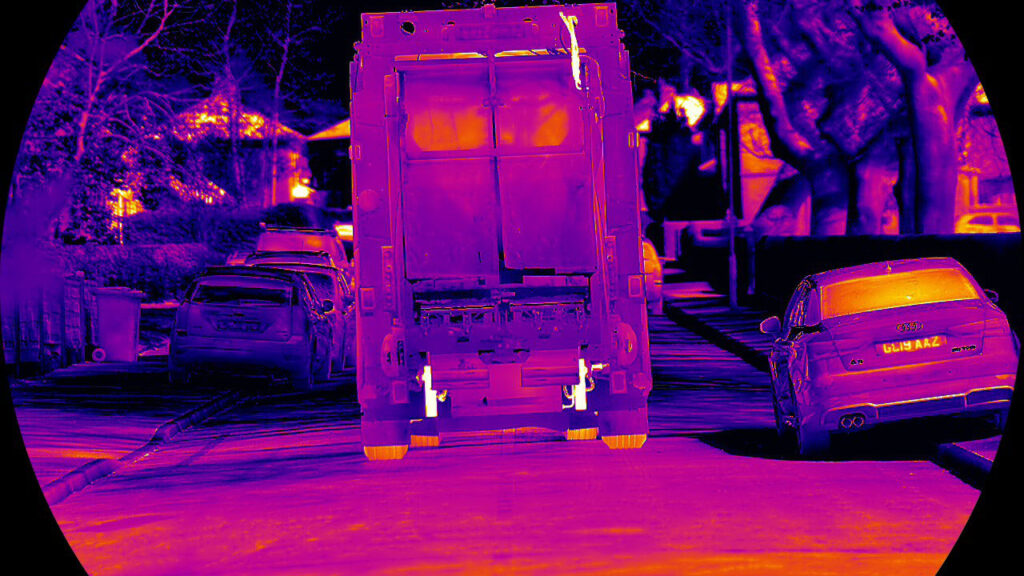
1280×720
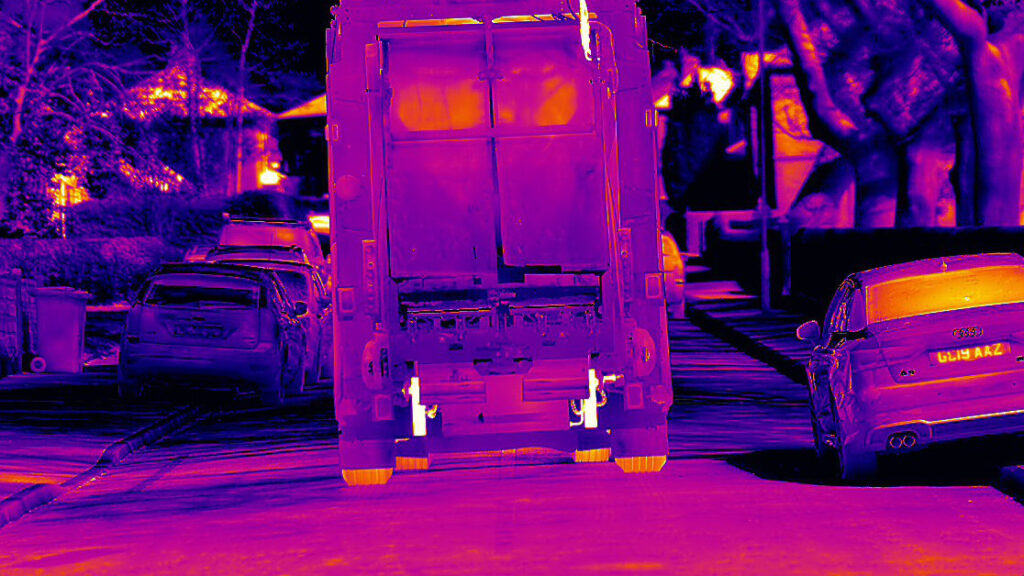
1116×628
- NocPix Vista S50R
- Battery pack x2
- USB mains plug
- USB-C cable
- Lens cloth
- Soft carry case
- Quick start guide
- Supplied in a Peli im2200 case
Taking thermal cameras abroad
Please note that these types of cameras are export controlled.
It is a criminal offence to take them out of the country without an export license from the government.
Whilst we can advise on how to apply for the license, you should allow at least 6-8 weeks to obtain it.
FAQ
Is a thermal camera night vision?
Thermal imaging is a totally different technology to that of traditional night vision devices like our full spectrum and infrared cameras.
Night vision can only be used in the dark. A thermal camera can be used equally well during both the day and night. This one of the main differences between thermal imaging cameras and night vision cameras.
With night vision, a camouflaged animal will still be hidden amongst its surroundings, whereas with thermal vision, they will glow and stand out from the foliage and any similar environmental cover.
Whilst thermal cameras may not be true night vision devices, their unique capabilities means that they can be used for night vision applications.
How does a thermal camera work? Is it infrared?
Thermal cameras see in the ‘long-wave infrared’ spectrum, hence why they’re often called infrared cameras and confused or associated with night vision.
Everything gives off a little bit of infrared radiation – the hotter it is, the more it gives off. It is this that a thermal camera detects and why it can be used day or night.
The wavelength of visible light is 400-700 nanometers in width (violet through to red); night vision ‘sees’ 700-1,000nm wavelengths (just past visible red, hence the name infrared) and thermal cameras detect 8,000-14,000nm wavelengths – much further than either the visible or night vision spectrums.
Find out more on our thermal imaging page.
Can a thermal camera see through objects?
Can I use my own lenses with a thermal camera?
No. These lenses are specially designed for thermography – it is made of germanium, as glass blocks the wavelengths the camera is sensitive to.
Why is the resolution on thermal cameras so low?
The S50R is the highest resolution possible with commercially available thermal imaging. Even the military only have 720p.
It is, however, easy to upscale thermal footage to HD and with plugins for your editing software, you can even upscale your thermal imaging to 4K if you wish.
How long does the battery last on this thermal camera?
Does it record to SD cards?
No, the S50R records to an internal 64GB memory which is sufficient for many hours of recording.
Files can be downloaded from the camera via the included USB cable, or can be recorded directly onto a phone using the dedicated app.
Can I mount this to a tripod?
Yes, the S50R has a 1/4-20 thread on the bottom.